Horse Racing · Careers
How to build a horse racing career in Nigeria
Jockey, groom, trainer, instructor, vet or polo player: the real jobs with horses in Nigeria, how to learn them, what the prizes are and how to stay safe.
Advertisement
Careers in horse sport
Your road to a career with horses
Nigeria has loved horses for centuries, from the Durbar processions of the north to the old Lagos Race Course where independence was celebrated in 1960. Today organised racing is run by the Horse Racing Federation of Nigeria (HRFN), founded in 2019, whose race meetings in Kaduna, Zaria and Bida now draw horses and riders from across West Africa. Riding clubs in Lagos, Abuja, Port Harcourt and Delta State teach people to ride.
This page is written for young people who love horses, and their parents. It explains the real jobs in Nigerian racing and riding: jockey, groom, trainer, riding instructor, breeder, vet and polo player, how people learn them, what the prizes look like, and how to stay safe. Every figure was checked on 1 October 2026.
The honest truth: very few Nigerians earn a full living as jockeys. The government has pledged to make racing an all-year-round event, which tells you it is not one yet, and prize money is published only for some races. Most careers with horses are built around the animals themselves: caring for them, training them, teaching people to ride them, and running the clubs and events where they perform.

Career facts · Checked 1 October 2026
Nigerian horse racing careers in numbers
-
1953
Racing in Kaduna
Organised racing brought by the Sardauna of Sokoto.
-
2019
HRFN founded
The Horse Racing Federation of Nigeria.
-
250
Horses at Zaria
The federation's derby in June 2026.
-
₦1m
Second prize
Division 1 thoroughbred race, Kaduna, July 2025.
The pathway at a glance
Six stages from first ride to a career
Ages are a guide. Many people come to horses as adults and still build a career.
Age 8 to 14
First rides and stable visits
Book lessons at a riding club or visit a stable community. Learn to lead, groom and feed a horse before you ride fast.
Age 10 to 16
Regular riding lessons
Learn balance, control and the basics of jumping. The Nigeria Equestrian Federation runs school tournaments.
Age 12 to 18
Stable work and apprenticeships
In Kaduna's horse community, young people learn racing horses from experienced wranglers, over several years.
Age 15 and up
Competition
Racing in the HRFN's Sahel Savannah Series, or equestrian jumping, dressage and endurance through the Equestrian Federation.
Age 17 and up
Specialise
Jockey, trainer, instructor, polo player or groom. Each takes years of practice under an experienced horseman.
Any age
Careers around the horse
Vets, breeders, club managers, race officials and event organisers keep the whole sport running.
Step by step
Seven steps to a career with horses
Follow these in order. Each step builds on the one before it.
Learn to care for a horse before you ride one
Every good rider starts on the ground. Learn how to approach, lead, groom and feed a horse, and how to tell when it is unwell. In Kaduna's historic horse community of Unguwan Doki, the village head told the Daily Trust that a horse left overnight must be checked every morning, and that common ailments include stomach pain and malaria. Horsemanship is a skill you build day by day.
Take proper riding lessons
Riding clubs across Nigeria offer lessons, including the Ikeja Saddle Club in Lagos, the Abuja Horse and Country Club, Parkland Resort Club in Abuja, the Port Harcourt Saddle Club and the Abraka Turf and Country Club in Delta State. Find their details on our riding clubs and contact pages. Always ride with a qualified instructor and a properly fitted helmet.
Choose your discipline
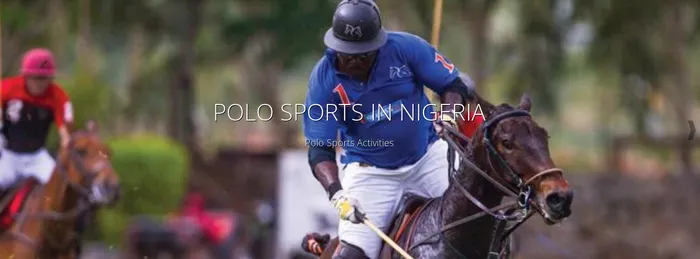
Horse sport in Nigeria has two main families. Racing is run by the Horse Racing Federation of Nigeria. Equestrian sport, which covers show jumping, dressage, eventing and endurance rides of 40 to 160 km, is run by the Nigeria Equestrian Federation, which also holds school tournaments and a national talent search with finals each December. Polo is a third path, played at clubs in Lagos, Abuja, Kaduna, Kano, Port Harcourt and Abraka.
Learn racing from experienced horsemen
Most Nigerian jockeys learn in the stable, not in a school. In Unguwan Doki, a young rider nicknamed Riba spent four years learning to handle racing horses and told the Daily Trust he wanted to become a professional jockey and polo player and still earn a university degree. He and his friends taught riding to children at Murtala Square in the evenings, for a modest fee. Find an experienced trainer who will teach you properly and safely.
Ride in the Sahel Savannah Series
The HRFN's season runs through northern race meetings and ends in Kaduna, where the Sardauna of Sokoto, Sir Ahmadu Bello, brought organised racing in 1953. The four-day Kaduna derby in July 2025 had five race categories for local breeds, Sudanese horses and the Talon variety. In June 2026 the federation's derby in Zaria, the second in a row there after a 14-year break, drew about 250 horses, with six saloon cars among the prizes. Jockey Ibrahim Dan-Barde won Race 20 aboard Lailatul Qadir, a horse that has now won eight cars in Nigerian competitions.
Build a reputation, and a team
Racing success comes from a team: an owner, a trainer, a groom and a jockey. Riders from Niger, Chad, Cameroon and Burkina Faso now come to Nigerian meetings, so the standard is rising. Be on time, look after every horse as if it were your own, and keep learning from older horsemen.
Keep your education going
Horse careers are physical and can be cut short by a fall. A degree or trade keeps your options open, and some of the best jobs around horses, such as veterinary medicine and club management, need formal study.
Advertisement
Pay
Making a living: prizes and pay
Racing prizes in Nigeria are real but uneven, and they go to horse owners first. These are the figures we could verify.
| Race or role | What we could verify | Source |
|---|---|---|
| Division 1 thoroughbred race, Kaduna, 12 July 2025 (2,000m) | 1st: car, cup and cash prize. 2nd: ₦1,000,000. 3rd: ₦700,000. 4th: ₦500,000 | SitesNG history page |
| Zaria derby, June 2026 | Six saloon cars were awarded as prizes | Blueprint, June 2026 |
| Hiring horses for ceremonies, Kaduna | ₦1,000 to ₦3,000 an hour for turbaning and durbar events (reported in 2014) | Daily Trust, 2014 |
| Jockey fees and stable wages | No reliable figure is published | SitesNG |
How people really earn: the money in Nigerian horse sport is spread across many jobs: grooms and wranglers paid by owners and stables, instructors paid by clubs or by their pupils, horses hired out for ceremonies, and breeding. The Emir of Zazzau, the federation's grand patron, has urged wealthy Nigerians to invest in racing, saying it could create jobs and encourage local horse breeding. In 2026 the federation reported that horses from its breeding programme were competing well against imported breeds.
Before you work for anyone, agree your pay, food, accommodation and days off, and ask a parent or older horseman to witness the agreement.
Beyond the saddle
Careers with horses
For every jockey on a racecourse there are many more people working with horses. These careers can last a lifetime.
| Career | What the job involves | How to start in Nigeria |
|---|---|---|
| Groom or wrangler | Feeding, grooming, exercising and caring for horses every day | Ask at a riding club, polo club or stable. Kaduna's Unguwan Doki community has trained wranglers for generations. |
| Jockey | Riding racehorses in competition | Learn under an experienced trainer, then ride in HRFN meetings. |
| Trainer | Preparing horses for races or polo, planning feeding and exercise | Years as a groom and rider first. Racehorses and polo horses are fed and trained differently. |
| Riding instructor | Teaching children and adults to ride safely | Become an excellent rider, then assist instructors at a club. |
| Vet | Treating and preventing illness and injury in horses | Study veterinary medicine at university. |
| Breeder | Raising young horses suited to Nigerian conditions | Work with an established stable; the HRFN runs a breeding programme. |
| Race official and organiser | Starting races, judging, timing and running race days | Volunteer at race meetings. The HRFN has introduced a starting gate to make races fairer. |
| Polo player or groom | Playing or preparing polo ponies | Join a polo club; see our polo section. |
Women riders
Girls and women in horse sport
Horses do not care whether their rider is a boy or a girl. Riding clubs in Lagos, Abuja, Port Harcourt and Delta State offer lessons, and the Nigeria Equestrian Federation's school tournaments and national talent search are the places to start competing in show jumping, dressage, eventing and endurance.
If you are a girl who loves horses, start with lessons at a club, talk to your family about your plans, and look at careers in instruction, veterinary medicine, breeding and club management as well as riding. Read about the clubs on our riding clubs page.
Stay safe
Safety for riders and horses
Horses are big, strong animals. Every career with horses starts with safety, for you and for the horse.
Rules that protect riders and horses
- Always wear a properly fitted riding helmet, and ride only under a qualified instructor until you are experienced.
- Never ride a horse you do not know at speed, and never ride alone in an unfamiliar place.
- Look after the horse first: check it every morning, feed it properly and never race a horse that is sick or injured.
- Would-be jockeys: never starve yourself or take pills to lose weight. Ask a doctor and your trainer about safe weight.
- Play clean. Nigeria's National Anti-Doping Act, signed in April 2025, brought the country in line with the World Anti-Doping Code. Check any medicine or supplement with a doctor.
- Parents: young riders should learn at established clubs, with adults present. Report any concern about an adult's behaviour to the club.
Advice from the stars
What Nigerian horsemen want you to know
Every quote below was checked word for word against the outlet named under it. We add one practical lesson to each.
The history of horse racing cannot be complete without the mention of Kaduna.
Alhaji Mustapha Abubakar-BidaNational Coordinator, Horse Racing Federation of Nigeria
Voice of Nigeria, 11 July 2025The lesson: Know the heritage of your sport. Northern Nigeria's racing tradition is your foundation.
When you leave a horse in the night, you have to check it in the morning and observe if it is healthy.
Ali IbrahimVillage head of Unguwan Doki, Kaduna's horse community
Daily Trust, 27 September 2014The lesson: Every career with horses begins with daily care.
Race horses are fed millet, which makes them to run faster
Usman JihadiWrangler with more than 30 years' experience, Unguwan Doki
Daily Trust, 27 September 2014The lesson: Racehorses and polo horses need different care. Learn from experienced horsemen.
Your first move
Where to start this week
Whatever your age, you can start this week. Tick these off:
- Visit a riding club near you and ask about lessons for beginners.
- Learn the names of a horse's tack and how to groom a horse.
- Get a properly fitted riding helmet before your first lesson.
- Read about the different paths: racing, equestrian sport and polo.
- Keep up your school grades, especially if you dream of becoming a vet.
- Visit a race meeting or polo tournament and watch how the grooms and trainers work.
- Parents: contact the clubs on our contact page about lessons and safety.
Find addresses and phone numbers on our Contact horse riding clubs page, and read the story of Nigerian racing on our history page.
Keep exploring
Explore Nigerian horse sport
Quick answers
Horse racing careers in Nigeria: your questions
How do I become a jockey in Nigeria?
Learn to ride and care for horses at a club or stable, then work under an experienced trainer who prepares racehorses. Jockeys ride in the Horse Racing Federation of Nigeria's race meetings, such as the Kaduna and Zaria derbies.
Who runs horse racing in Nigeria?
The Horse Racing Federation of Nigeria (HRFN), founded in 2019. Its national coordinator is Alhaji Mustapha Abubakar-Bida, and the Emir of Zazzau is its grand patron. Equestrian sport is run by the Nigeria Equestrian Federation.
How much prize money is there in Nigerian horse racing?
Prizes vary by race. In the Division 1 thoroughbred race in Kaduna on 12 July 2025, the winner received a car, a cup and cash, second place ₦1,000,000, third ₦700,000 and fourth ₦500,000. Six saloon cars were awarded at the Zaria derby in June 2026.
Where can I learn to ride a horse in Nigeria?
At clubs such as the Ikeja Saddle Club in Lagos, the Abuja Horse and Country Club, Parkland Resort Club in Abuja, the Port Harcourt Saddle Club and the Abraka Turf and Country Club in Delta State.
What jobs are there with horses besides being a jockey?
Groom or wrangler, trainer, riding instructor, vet, breeder, race official, club manager and polo player or groom. Most of these jobs are learned by working with experienced horsemen, and veterinary medicine needs a university degree.
Is horse racing part of the African Games or Commonwealth Games?
No. Horse racing has never been an African Games or Commonwealth Games event. Equestrian sport was held at the African Games only once, in Rabat in 2019, and Nigeria did not take part.