Football · Super Eagles
Super Eagles of Nigeria
Three-time African champions and six-time World Cup finalists.
Advertisement
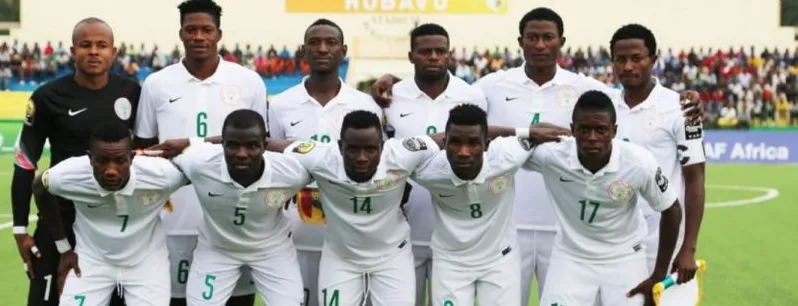
Nigeria’s men’s national team
The Super Eagles
Super Eagles of Nigeria is the pioneer Nigeria national football team. Its story goes back to 1945, when the Nigerian Football Association was founded, and the team played its first matches abroad on a tour of England in 1949.
The Super Eagles football team is organized by the Nigeria Football Federation and they represent the country at international football tournaments.
They usually play their home matches at Abuja National Stadium though they have several other venues such as Teslim Balogun Stadium, Obafemi Awolowo Stadium, Godswill Akpabio International Stadium, Lagos National Stadium and Adokiye Amiesimaka Stadium for their matches.
The Super Eagles team was known and addressed as Red Devils before independence with respect to their red-topped uniform. After independence in October 1960, the name was changed for the second time to Green Eagles to reflect the colour of the Nigerian flag and the eagle that adorns the Nigerian coat of arms.
The team was known and addressed as Green Eagles during the 1988 African Cup of Nations but was changed to Super Eagles after the disputed 1 - 0 loss to Cameroon in the final of that tournament. Up till date, the Nigeria men’s national team still retains their nickname as Super Eagles.
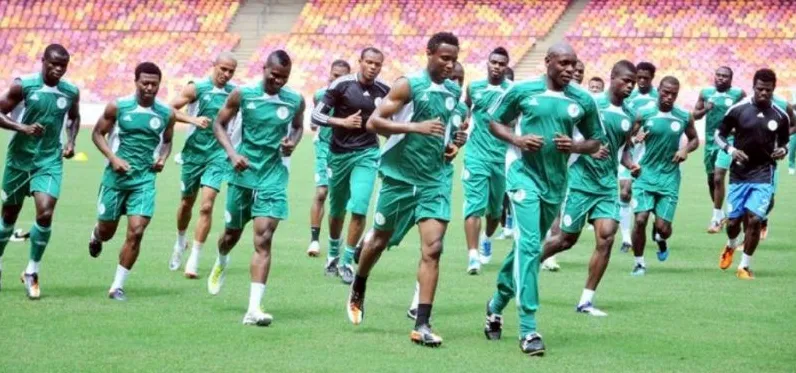
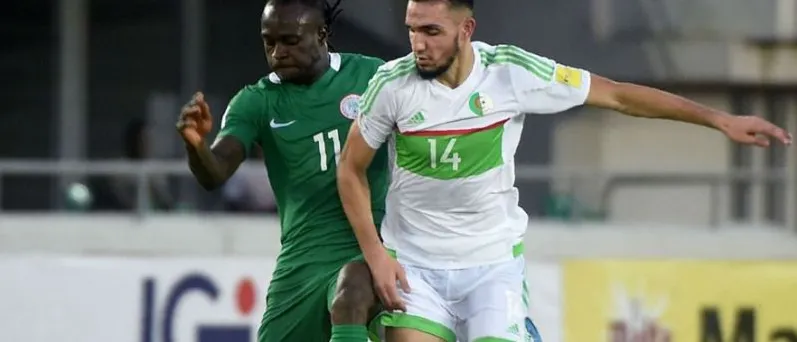
The Nigerian Super Eagles use a quality brand of jersey for their home and away matches. Their kits are known with a solid-green colour on the green primary set with white designs, all symbolizing the colours on the flag of Nigeria.
Those kits are supplied by an American multinational corporation, Nike, known for the manufacturing of sporting apparel and related accessories. Nike supplied the Super Eagles kits between 1998 and 2003, after which Adidas took over the contract, but in 2015 Nike was announced again as the supplier. Adidas has been announced as the kit supplier again from 2027.
The Nigeria Super Eagles have indeed been super, as they have not only brought glory to the country with their outstanding performances but have also worked hard to make Nigeria the leading football team in Africa and among the best in the world.
For all their future matches, the team are dedicated to their training and strives hard as well to come out better and maintain their position as "The Africa Best".
More about the Super Eagles
- Super Eagles at the World Cup: every tournament, every result.
- AFCON and Olympic football: three African titles and the 1996 “Dream Team”.
- Stadiums: the MKO Abiola National Stadium and Nigeria’s other home grounds.
- Players: the legends and today’s stars.
Checked 30 September 2026
Honours and records
| Competition | Record |
|---|---|
| Africa Cup of Nations | Champions 1980, 1994, 2013; runners-up 1984, 1988, 1990, 2000, 2023; third 1976, 1978, 1992, 2002, 2004, 2006, 2019, 2025 |
| FIFA World Cup | 6 appearances (1994, 1998, 2002, 2010, 2014, 2018); round of 16 in 1994, 1998, 2014 |
| Olympic Games (U-23) | Gold 1996, silver 2008, bronze 2016 |
| FIFA Confederations Cup | 1995 (fourth) and 2013 (group stage) |
| All-Africa Games | Gold 1973 (Lagos) |
| Record | Holder |
|---|---|
| Top scorer | Rashidi Yekini, 37 goals (1983 to 1998) |
| Most caps | Ahmed Musa, 111 (retired from international football December 2025) |
| Biggest win | 10-0 against São Tomé and Príncipe (2022) |
| First World Cup goal | Rashidi Yekini, against Bulgaria, 21 June 1994 |
| Home stadium | MKO Abiola National Stadium, Abuja (60,491) |
Advertisement
Keep reading
Football in Nigeria
Nigeria’s favourite sport and its national teams.Read more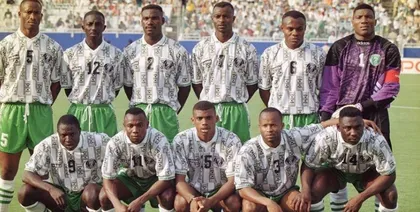
History of Nigerian football
From the barefoot 1949 tour to Olympic gold.Read more
Super Eagles at the World Cup
Every World Cup from USA 1994 to Russia 2018.Read more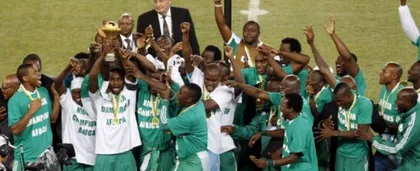
AFCON and Olympic football
Three African titles and the 1996 Olympic gold.Read more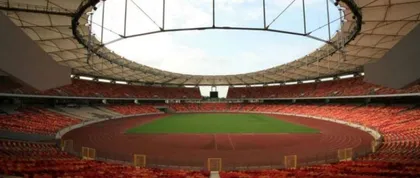
Super Eagles stadiums
The MKO Abiola Stadium in Abuja and other home grounds.Read more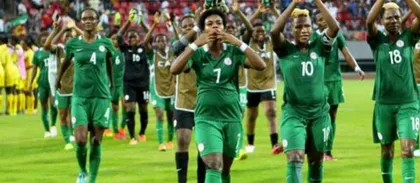
Super Falcons
Africa’s queens: 10 continental titles.Read more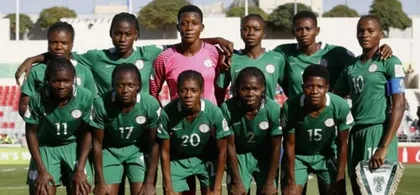
Nigeria’s youth teams
Golden Eaglets, Flying Eagles, Flamingos and Falconets.Read more
Golden Eaglets (U-17)
Five-time FIFA U-17 world champions.Read more
Flying Eagles (U-20)
Two World Cup finals and the Miracle of Dammam.Read more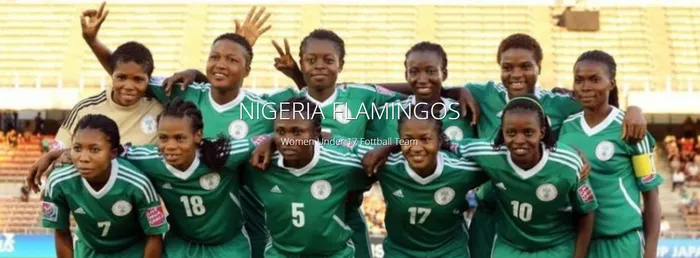
Flamingos (women’s U-17)
World Cup bronze in 2022.Read more
Falconets (women’s U-20)
Two World Cup finals, 2010 and 2014.Read more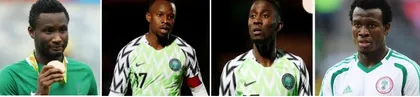
Nigerian footballers
Kanu, Okocha, Yekini, Osimhen, Oshoala and more.Read more
Nigerians in the Premier League
Weekly tracker: Iwobi, Bassey, Saka, Eze and every Nigerian in the EPL.Read more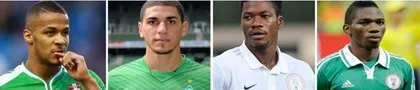
Nigerians in Europe
Weekly tracker: Osimhen, Lookman, Ndidi, Ajibade and more.Read more
Rising Stars
The next generation of Nigerian football, updated weekly.Read more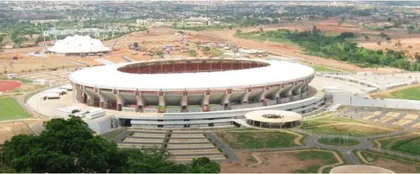
Contact the NFF
Nigeria Football Federation, Abuja.Read more
Quick answers
Super Eagles: quick answers
Who is the Super Eagles coach?
Éric Chelle, appointed on 7 January 2025. The captain is Wilfred Ndidi (checked 30 September 2026).
Why did Nigeria miss the 2026 World Cup?
Nigeria finished second in their qualifying group, won the CAF play-off semi-final, then lost the play-off final to DR Congo on penalties (1-1, 3-4) in Rabat on 16 November 2025.
Who is Nigeria’s all-time top scorer?
Rashidi Yekini, with 37 goals. He also scored Nigeria’s first ever World Cup goal, against Bulgaria in 1994.
Where do the Super Eagles play home matches?
Mainly at the MKO Abiola National Stadium in Abuja and the Godswill Akpabio International Stadium in Uyo.
Who makes the Super Eagles kit?
Nike since 2015 (and earlier from 1998 to 2003). Adidas has been announced as kit supplier from 2027.